From first brief
to finished product.
Development and production only work well when product decisions are translated into clear, executable steps. Our approach connects brief, sample, refinement, and bulk follow-up in a way that reduces confusion and improves coordination.
How a product
starts to take shape.
The process starts with understanding the target style, materials, quantity, market needs, and commercial expectations. From there, sample development is guided not only by appearance, but also by fit, construction logic, and production feasibility.
Material selection, upper balance, bottom compatibility, and structural details are reviewed early so the product can move forward with fewer avoidable issues. This helps align the sample with the real conditions of production rather than an idealized version of it.
We begin by reviewing the buyer's reference or brief with attention to construction logic, material intent, and commercial fit. Where details are unclear, we ask direct questions before beginning — this avoids avoidable corrections later in the process.
Materials are selected or proposed based on the product direction, target price point, and available stock. Where custom materials are required, lead time implications are discussed upfront so they do not disrupt the development timeline.
The first sample is not expected to be perfect. Its purpose is to give both sides a concrete, reviewable starting point — something that can be assessed in hand, not just described. From there, corrections are practical and focused.
What we examine
at the sample stage.
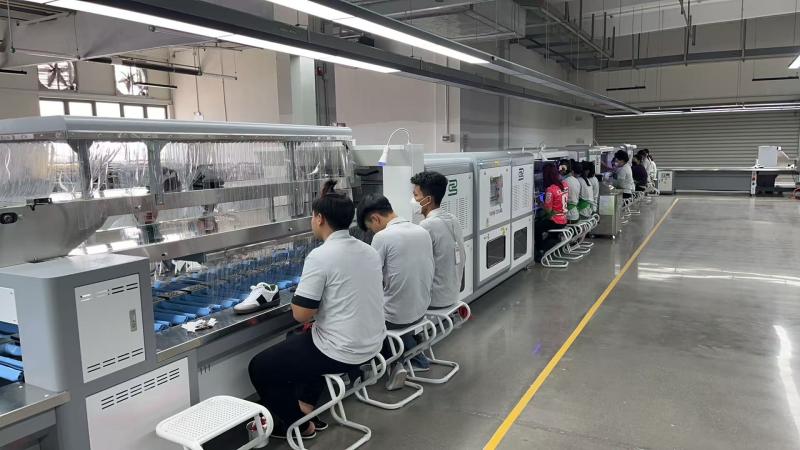
Sample development is treated as a working stage, not a formality. We refine visible details, wearing logic, and manufacturability so the product can improve through the process instead of carrying unresolved issues into bulk production.
After reviewing a sample, we communicate findings directly — what we see, what we recommend correcting, and what the buyer should assess on their end. The aim is a clear, shared understanding before the next round begins.
- Pattern accuracy and last fit — checked before assembly proceeds
- Material quality and consistency with specification
- Stitching, lasting, and edge finishing reviewed at relevant production stages
- Outsole adhesion and flexibility assessed on completed pairs
When adjustments
are needed.
Correction rounds are a normal and expected part of development. The goal is not to minimise the number of rounds at the expense of product quality, but to make each round efficient and purposeful — with clear, agreed feedback on both sides.
Last and fit adjustments are among the most common correction requests. We assess feasibility based on the existing last and construction logic, and advise on what can be changed within the current development and what requires a new starting point.
Material change requests are reviewed against stock availability, minimum quantities, and how the substitution affects the product construction and timeline. Where possible, alternatives are proposed that achieve the buyer's intent without disrupting the development schedule.
Construction changes are assessed case by case. Some can be made within the existing sample round; others require a fresh start to execute correctly. We are direct about which is which so the buyer can make an informed decision.
Before production
begins.
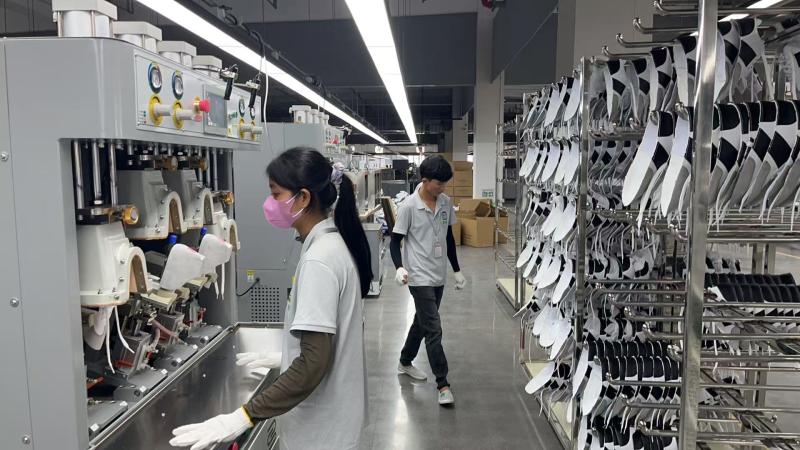
Once production begins, follow-up matters as much as planning. We stay close to execution details, timeline coordination, and consistency checkpoints so the product delivered matches the intention agreed during development.
Material orders are confirmed against the approved sample, size breakdowns are finalized, and a preproduction reference check is completed before cutting begins. This stage is where production problems are most effectively prevented.
What happens
during the run.
We monitor key stages of the production run and communicate updates at relevant checkpoints. If an issue arises that requires a buyer decision, it is raised directly and without delay.
Before cutting begins, materials are checked against the approved sample reference for color, texture, and consistency. Any deviation from specification is flagged before production proceeds to avoid avoidable correction at a later stage.
During production, we inspect construction, stitching consistency, and color alignment at regular intervals. Inline checks allow issues to be identified and corrected while the run is still in progress rather than at the final inspection stage.
Finished pairs are inspected for appearance, construction, pair matching, size accuracy, and packaging before shipment. Results are shared with the buyer, and any outstanding items are resolved before goods are released.
We prepare shipping documentation, communicate final quantities and confirmed delivery timing, and remain available for post-delivery follow-up. The handover is treated as a clear, documented step — not an afterthought.
Have a development
project in mind?
If you have a reference, a sketch, or a clear brief, that's enough to start. Share it with us and we'll tell you what's realistic — timeline, sample requirements, and where development for your specific product will need the most attention.